
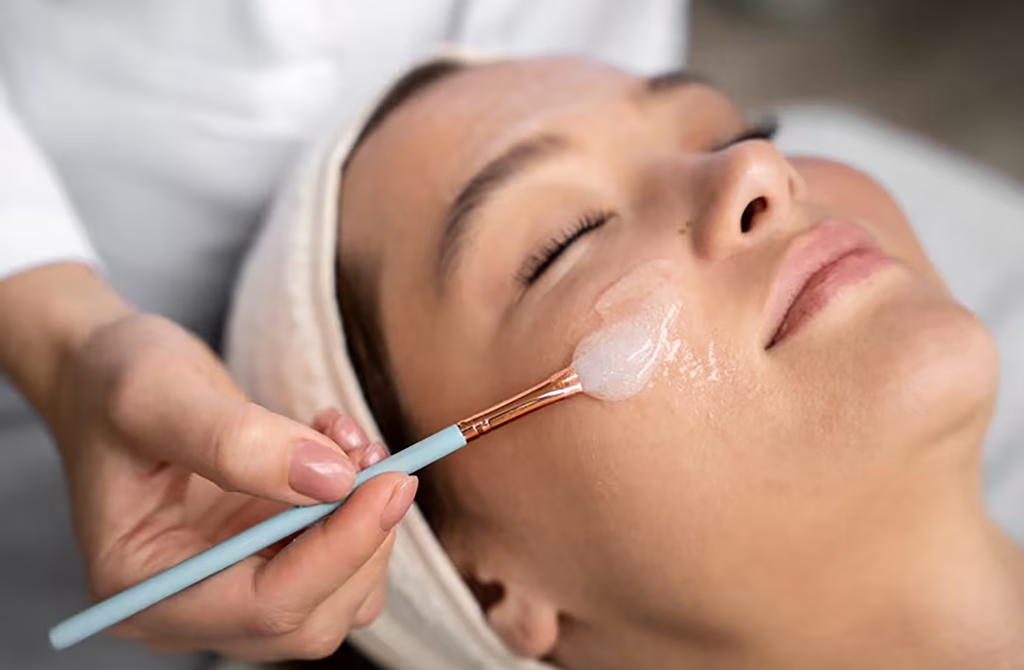
Chemical peels are advanced skin-resurfacing treatments designed to improve the appearance and texture of the skin by applying a specialized chemical solution. This solution gently exfoliates the outer layers of the skin, causing them to eventually peel off and reveal fresher, smoother, and more even-toned skin underneath. Widely used in dermatology and aesthetic clinics, chemical peels are effective for treating a variety of concerns such as acne, pigmentation, fine lines, sun damage, and dullness.
The procedure works by using acids like glycolic acid, salicylic acid, lactic acid, or trichloroacetic acid (TCA), depending on the depth and purpose of the treatment. These acids break down the bonds between dead skin cells, accelerating cell turnover and stimulating new skin growth. Based on the strength and penetration level, chemical peels are generally categorized into three types: superficial (light), medium, and deep peels.
Superficial peels are the mildest form and target only the outermost layer of the skin. They are ideal for beginners or those looking for a quick glow with minimal downtime. Medium peels penetrate deeper and are used to treat pigmentation, acne scars, and uneven skin tone. Deep peels, on the other hand, reach the deeper layers of the skin and are recommended for more severe concerns like deep wrinkles or stubborn discoloration, though they require longer recovery time and professional supervision.
One of the most notable benefits of chemical peels is effective exfoliation and skin renewal. By removing dead and damaged skin cells, peels promote the growth of new, healthier skin, leading to a brighter and more refreshed appearance.
Another major advantage is reduction in pigmentation and dark spots. Chemical peels help lighten hyperpigmentation, sunspots, melasma, and acne marks by gradually fading discoloration and evening out the skin tone. With consistent sessions, the skin appears clearer and more radiant.
For those dealing with acne, chemical peels offer powerful acne control. Ingredients like salicylic acid penetrate deep into the pores, helping to dissolve excess oil, unclog pores, and reduce inflammation. This not only treats active acne but also helps prevent future breakouts.
Improvement in skin texture and smoothness is another key highlight. Rough, uneven skin becomes softer and more refined as the peeling process removes damaged layers and encourages collagen production. Over time, this leads to healthier and more resilient skin.
Chemical peels are also known for their anti-aging benefits. By stimulating collagen and elastin production, they help reduce the appearance of fine lines, wrinkles, and mild sagging. The skin looks firmer, tighter, and more youthful after a series of treatments.
Another important benefit is enhanced absorption of skincare products. Once the outer layer of dead skin is removed, serums and creams can penetrate deeper and work more effectively, maximizing the results of your overall skincare routine.
The treatment is relatively quick and convenient. Most sessions take around 20 to 45 minutes, depending on the type of peel. Superficial peels often have little to no downtime, while medium peels may involve a few days of redness and peeling. Deep peels require more recovery time but offer more dramatic results.
Chemical peels are highly customizable, making them suitable for different skin types and concerns. A qualified professional will assess your skin and recommend the appropriate type and strength of peel to ensure safety and effectiveness.
However, proper aftercare is essential for achieving the best results and avoiding complications. Following a peel, the skin becomes more sensitive, so it is important to use sunscreen regularly, avoid direct sun exposure, and keep the skin hydrated. Peeling or flaking should not be picked or forced, as this can lead to irritation or scarring.
It is also important to have realistic expectations. While noticeable improvements can be seen after one session, a series of treatments is usually required for optimal and long-lasting results. Maintenance sessions may also be recommended based on individual skin needs.
In conclusion, chemical peels are a powerful and versatile skincare treatment that goes beyond surface-level beauty. With benefits like deep exfoliation, acne control, pigmentation reduction, and anti-aging effects, they provide a scientifically backed solution for achieving clearer, smoother, and more youthful-looking skin. When performed by trained professionals and combined with proper skincare, chemical peels can significantly transform the health and appearance of your skin.