
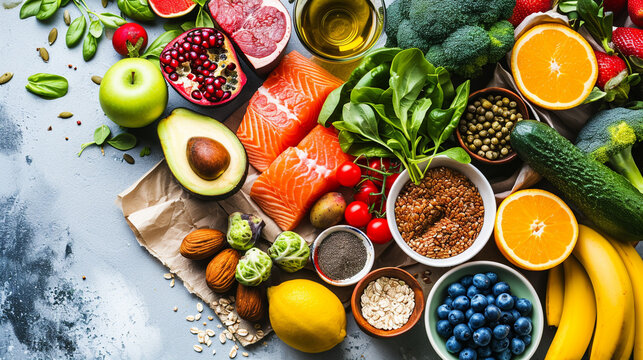
Diet plays a central role in managing body weight, hormonal balance, and chronic conditions like diabetes, PCOD, and thyroid disorders. The key is not following one rigid plan, but choosing a structured, sustainable eating pattern that fits your body’s needs, lifestyle, and health goals. Below is a detailed guide covering diet plans for weight loss, weight gain, and specific conditions.
1. Diet Plan for Weight Loss
Weight loss is fundamentally about creating a calorie deficit while maintaining proper nutrition.
Key Principles
- Eat fewer calories than you burn
- Focus on high-protein, high-fiber foods
- Avoid processed and sugary foods
- Stay hydrated
Sample Diet Structure
- Morning: Warm water + lemon
- Breakfast: Oats, eggs, or poha with vegetables
- Lunch: Roti + dal + sabzi + salad
- Evening: Nuts or fruit
- Dinner: Light meal like soup or grilled paneer/chicken
Benefits
- Reduces body fat while preserving muscle mass
- Improves metabolism and energy levels
- Helps prevent lifestyle diseases
2. Diet Plan for Weight Gain
Healthy weight gain focuses on increasing muscle mass, not just fat.
Key Principles
- Calorie surplus with nutrient-rich foods
- High protein intake
- Frequent meals
Foods to Include
- Milk, paneer, curd
- Nuts and seeds
- Rice, potatoes
- Healthy fats (ghee, peanut butter)
Benefits
- Promotes healthy muscle growth
- Improves strength and stamina
- Supports overall body development
3. Diet for Diabetes Management
Type 2 Diabetes requires careful control of blood sugar through diet.
Key Principles
- Low glycemic index foods
- Controlled carbohydrate intake
- Regular meal timing
Foods to Include
- Whole grains (brown rice, oats)
- Leafy vegetables
- Lentils and legumes
- Nuts
Foods to Avoid
- Sugary drinks
- Refined flour (maida)
- Processed snacks
Benefits
- Maintains stable blood sugar levels
- Reduces risk of complications
- Supports long-term health
4. Diet for PCOD (PCOS)
Polycystic Ovary Syndrome is a hormonal condition often linked with insulin resistance.
Key Principles
- Low-carb, high-protein diet
- Anti-inflammatory foods
- Balanced meals
Foods to Include
- Whole grains
- Lean protein (eggs, chicken, tofu)
- Fruits like berries and apples
- Healthy fats (avocado, nuts)
Benefits
- Helps regulate hormones naturally
- Improves menstrual cycle regularity
- Supports weight management
5. Diet for Thyroid Disorders
Hypothyroidism and hyperthyroidism require specific nutritional support.
Key Principles
- Balanced iodine intake
- Adequate protein and selenium
- Avoid processed foods
Foods to Include
- Iodized salt (in moderation)
- Eggs, fish
- Nuts (especially Brazil nuts)
- Whole grains
Foods to Limit
- Excess soy
- Highly processed foods
- Excess sugar
Benefits
- Supports thyroid hormone production
- Improves metabolism and energy levels
- Helps manage weight fluctuations
General Healthy Diet Tips
Regardless of your goal or condition:
- Eat fresh, home-cooked meals
- Maintain portion control
- Stay physically active
- Sleep well (7–8 hours)
- Avoid crash diets
Common Mistakes to Avoid
- Skipping meals
- Following extreme diets
- Over-restricting calories
- Ignoring protein intake
- Relying on supplements instead of real food
Final Thoughts
Diet is not just about weight—it’s about overall health and balance. Whether your goal is weight loss, weight gain, or managing conditions like diabetes, PCOD, or thyroid disorders, the right diet can make a significant difference.
The best approach is always personalized nutrition, ideally guided by a qualified dietitian who can tailor a plan based on your body type, lifestyle, and medical needs.
Consistency matters more than perfection. A simple, balanced diet followed regularly will always give better results than extreme short-term changes.